Wine Reviews: Big House Red and White

Big House White and Red WinesThese were sent to me as samples by a nice PR person, but it took me a long time to get around to tasting both of the “Big House” wines, mainly because I saw them as gimmicky and figured they weren’t terribly interesting.

As it turned out, both wines mildly surprised me — they are easygoing and simple but enjoyable and have enough structure to match with a variety of foods. That’s the nice thing about having no expectations — it’s hard to be disappointed.

The name “Big House” came about because the winery is located “an ankle iron’s toss” from the Soledad State Correctional Facility in Soledad, California (Monterey County). It was founded by Randall Grahm — better known as the founder/winemaker at Bonny Doon — and the brand’s focus is to appeal to the “non-snob” by making wine less complicated and more fun and easy to enjoy (hey, just like this website!). I have to admit the branding is clever and appealing, if a bit corny. But, I’m corny myself and therefore have an appreciation for their efforts.

Big House White is a fruity summer sipper with a faint hint of sweetness that makes a good foil for spicy hot foods. I paired it successfully with Indian cuisine as well as buffalo wings and BBQ ribs. It’s also thoroughly enjoyable on its own, with a good chill. For those who care, it’s made from a “kitchen sink” blend of 22.7% Malvasia Bianca, 15.9% Gruner Veltliner, 15.7% Sauvignon Blanc, 9.2% Gewürztraminer, 7.9% Riesling, 7.3% Chenin Blanc, 6.1% Muscat Canelli, 5.2% Viognier,4.5% Verdelho, 4.4% Albarino, and 1.1% Pinot Gris. If nothing else, all those grapes in there make for a good conversation starter.

Big House Red was similarly friendly with food, but completely dry. It has an attractive, expressive nose full of black cherries and a hint of earth. On the palate there are similar flavors — cherry, red and black berry fruit, mild earth, touch of tobacco. There is plenty of acidity and very mild tannins. It finishes somewhat quickly and with tart, sour cherry. Overall it kind of reminds me a Beaujolais Villages, and is similarly easy to pair with just about anything — particularly lean meats (chicken, turkey, pork), vegetarian dishes, and pasta with red sauce. And yes, this one is made with myriad grape varieties as well: 27% Petite Sirah, 14.5% Syrah, 8.6% Montepulciano, 8.2% Barbera, 6.4% Nero d’Avola, 6.1% Tempranillo, 3.3% Malbec, 2.4% Aglianico, 2.4% Souzao, 2.3% Charbono, 2.2% Petit Verdot, 2.1% Cabernet Franc, 2% Tannat, and 12.5% Other Esoteric Reds. I’d love to know what those “other esoteric reds” might be, and why they’re not listed. Ah-ha! Another conversation starter!

At under $10 for a 750ml bottle, these wines are a steal — but it isn’t the kind of theft that will get you sent to the “big house”. And both wines also come in snazzy, convenient, party-friendly bag-in-box packaging as well.

Find Big House White at a retailer near you using Wine-Searcher, Vinquire, or WineZap

Find Big House Red at a retailer near you using Wine-Searcher, Vinquire, or WineZap

If you want to learn more about Big House and some of their other wines, visit my good friend Charles Scicolone’s site to read about the Big House “warden” Georgette Dune. You can also visit the Big House website and/or follow the brand on Twitter @BigHouseWines

Valdivieso Wild Fermented Sauvignon Blanc

What makes a wine “wild fermented”? Without going into too much detail, it means the winemaker chose let the wine ferment of its own accord, catalyzed by yeasts existing on the grape skins and in the winery. For those who don’t know the intricacies of winemaking, most wines — generally speaking — are fermented after the winemaker introduces an externally obtained yeast to the grape juice. Does it make a significant difference, which way the wine ferments? The jury is out, but there are arguments for both sides. Further, there has been some interest recently in “wild fermented” wines, as they are seen by some to be produced more “purely” or “naturally”. Whatever. Personally, I don’t care, as long as the final product tastes great. Though, I do kind of like the sound of “wild fermented” — makes the wine seem more exciting, somehow.

Tasting Notes: Valdivieso Single Vineyard Wild Fermented Sauvignon Blanc 2009

The nose is bright and expressive, with perfumey floral notes mixing with pear, grapefruit, and a hint of something that can only be described as nail polish remover. That may sound bad but in fact it didn’t take anything away from the aroma — if anything, it added a bit of complexity.

In the mouth you get white citrus fruit with some mineral notes and ample, bright acidity. The finish is pleasant, offering mild fruit, more mineral, and chalky acid coating the inside of the cheeks. It is enjoyable on its own but also good with food. Try it with sushi, mildly seasoned white fish, pasta salads, raw vegetables, and simple cheeses. At $21.99, it’s kind of pricey for a Sauvignon Blanc but I would say the price is fairly commensurate with the quality — it is on par with an entry-level Sancerre or similarly priced Sauvignon from New Zealand.

Now, the caveat … I can’t say for sure if this wine is available. I received the bottle from Wines of Chile as part of a Sauvignon Blanc blogger tasting from a few months back. However I can’t find it listed on any of the big retail-finding directories, and there is no info at all about the wine, neither on the Valdivieso website in Chile (warning, it’s made in Flash, grrrrr….), nor from the US importer Laird and Company. So maybe it’s a brand-new product, or maybe it’s always been made but never before imported. Perhaps the blogger tasting was an opportunity to test-market the wine, who knows. In any case, if you do see it, and don’t mind paying over $20 for a Chilean Sauvignon Blanc, it’s worth trying.

a-7 t-8 b-8 fc-8 v-7 ~ 88 Points

Wine Grape: Albarino

albarino_grapes.jpgIf you are living in a similar part of the world as me — where the summer weather has become hot and sticky — then you likely are reaching into the fridge for chilled white wines to cool you off.

No doubt Pinot Grigio and Sauvignon Blanc are standbys, but if you haven’t given Albariño a try, now’s the time to do it.

The Albariño (al – bah – REE – nyo) grape is grown mainly in the Spain and Portugal (though I understand Qupe and a few others are planting it in California as well), to make dry white wines. It is a thick-skinned grape with strong aromatics that may remind you of ripe peaches — to me the smell is kind of like Viognier. Unlike Viognier, however, the wine tends to be very high in acidity and lighter in flavor — it’s more like a sharp Pinot Grigio in that respect. That zesty acidity cuts through fatty foods, stands up to salad dressings, and can be refreshing on a hot summer day — it’s not as tart as you might expect, and has a nice buttery texture. Flavors you may recognize include apple, peach, and apricot, as well as a distinct mineral component.

Geeks will tell you that the very best Albariño comes from Rias Baixas (ree-ahs buy-shuss) area of Galicia, in Spain, and they may be right. Personally, I have enjoyed Burgans Albarino, which is a consistently good value. However, there are also fine examples from Portugal, where it is often labeled as “Alvarinho” (that’s how they spell it there). And, as mentioned earlier, California’s Qupe makes one (called “Verdad“) but they don’t make much of it and I’ve never had it — if you have, please post your notes in the comments.

Regardless of where the Albariño comes from, make sure you pick the youngest you can find (as of this writing, 2008 is the vintage you want), as it’s not meant for aging. Albariño tends to lose a lot of its fresh, attractive aromas and flavors as it ages. Expect to pay between $8 and $15, though the best bottles can run as high as $25.

Chardonnay Review: Mondavi Solaire

Robert Mondavi Solaire Chardonnay 2007 · Santa Lucia Highlands

solaire_chardonnay.jpgIn the past, when I was geekier, more condescending, and had free access to world-class (read: expensive) wines, I stayed away from the “mass produced” brands. But lately I have become more humble and open to wines from any and every producer. And there’s something to be said for a wine that provides consistency year in and year out.

So with my newly opened mind I uncorked this Chardonnay from Robert Mondavi. Called “Solaire”, it retails for between $12-15 and has a cousin named Cabernet Sauvignon using the same moniker. The Chardonnay delivers good bang for the buck and is easily found at wine shops across the United States.

Tasting Notes: Robert Mondavi Chardonnay “Solaire” 2007

Rich nose of ripe and overripe white fruit — pear, apple, peach, banana, along with honeysuckle and vanilla. In the mouth it has a weighty, slightly oily mouthfeel and a creamy texture that carries ripe pear and candied peach fruit flavors. Also some oaky vanilla and honey. Acidity is low to medium, so with the abundance of ripe fruit this wine has a slightly fat character to it. OK on its own, better with food. Match it with rich and buttery fish and chicken dishes, such as shrimp scampi, lobster, chicken francaise.

a-8 t-7 b-7 fc-7 v-8 ~ 87 Points

Buy Mondavi Chardonnay Solaireicon directly from Wine.com.

Or, find this wine at a retailer near you using Wine-Searcher, Vinquire, or WineZap

Visit the official website for Robert Mondavi Solaire wines

Kosher Wines for Passover (Red and White)

Kosher wines don’t have to taste “funny” any more. Recent developments in kosher winemaking has resulted in high quality, great-tasting wines fit for any occasion.

This year, Passover begins at sunset on April 8th, and will continue through Wednesday, April 15th. If you observe Passover and aim to keep kosher during this Jewish holiday, here are two excellent wines — one white, one red — that are both kosher and appropriate for typical Passover feasts.

Tasting Notes: Yarden Chardonnay 2006

Yarden Chardonnay kosher white wine Wide open, expressive nose of bright ripe pear, peach, honeysuckle, banana, vanilla. In the mouth it is velvety smooth, with almost sweet ripe pear, candied peach, vanilla, honey. Acidity is mild. Alcohol is surprisingly low considering the high level of ripe fruit. Finishes with spicy peach, vanilla, and a touch of zesty lime. This is enjoyable on its own, also good with leaner foods such as simply prepared roast chicken. Will be nice with spicy and sweet Chinese dishes (General Tsao, sweet and sour shrimp, sesame chicken), BBQ ribs. As far as the Passover table goes, this will be a nice match for a mildly sweet noodle kugel.

a-8 t-8 b-7 fc-7 v-7 ~ 87 Points

Find this wine at a retailer near you through Wine-Searcher, Vinquire, or WineZap

Tasting Notes: Golan Cabernet Sauvignon 2007

Golan Heights Cabernet Sauvignon kosher red wineOpen aroma of ripe plum, red raspberry, jam, chocolate. Jammy, juicy ripe flavors of sweet raspberry, blueberry, pomegranate. Tannins are mild, acidity is mild to medium. Texture is smooth. Finish is pleasant, full of raspberries and pomegranate, with a slight edge of tart acidity. Enjoyable alone, it will match well with lean meats such as roast chicken and fish but also has just enough structure to stand up to simply prepared beef — such as beef brisket. Will also be nice with turkey meatloaf, Chinese rib tips or beef with spicy and/or sweet sauce.

a-7 t-8 b-8 fc-8 v-7 ~ 88 Points

Find this wine at a retailer near you through Wine-Searcher, Vinquire, or WineZap

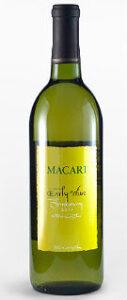
Chardonnay Review: Macari Reserve

Macari Chardonnay Reserve 2007 ♦ North Fork, Long Island, NY, USA

macari_chardonnay.jpgWhen it comes to wines from the United States, North Fork, Long Island, New York, is not exactly mentioned in the same breath as, say, Napa Valley, but nonetheless this small region does produce drinkable and enjoyable wines. Its Northeast geography lends itself to less consistent and predictable summers, with a climate and soil type that is not necessarily ideal for “traditional” grapes such as Cabernet Sauvignon, Chardonnay, and Merlot. Very generally speaking, Long Island summers are better suited for varietals such as Riesling, Gewurztraminer, and Cabernet Franc, which tend to flourish in cooler climes.

However, that doesn’t mean that more popular varietal wines can’t be made on the East Coast — there are a few top-notch wineries that are able to bottle wines that you might guess came from the “left” Coast. One such wine that might fool you is Macari Vineyards Chardonnay Reserve, a rich and luscious example that benefits from a full year in French Oak barrels — just like they do it in Napa.

Tasting Notes – Macari Vineyards Chardonnay Reserve 2007

Bright, fragrant nose of tropical fruits, sweet peach, overripe pear, pineapple, banana, along with a bit of vanilla and butterscotch. In the mouth it has a sweet fruit flavor, showing ripe pear and some other white fruits. A distinct candied peach flavor arrives in the finish. Acidity is low. Texture is smooth, almost oily. Enjoyable on its own, can work with some low-fat foods.

a-8 t-8 b-7 fc-7 v-7 ~ 87 Points

Macari Vineyards

Find this wine at a retailer near you using Wine-Searcher, WineZap, or Vinquire

White Wine Review: Clean Slate Riesling

Clean Slate Riesling wine bottleToo often people walk right by that section of the wine shop where all the tall and skinny green bottles are shelved — also known as “Germany” and/or “Alsace”. Those confusing-looking labels with long, unpronounceable names like “Trockenberenauslese” and “Gewurztraminer” are too intimidating for the average wine buyer. And if that description fits you, don’t feel bad — those foreign marketers could do a much better job of making it easier for you.

One importer who is doing a pretty good job of making German wine more accessible is Peter Click. Thanks goodness, because there are some wonderful white wines from Germany that would otherwise be undiscovered by the masses in the USA. For the uninitiated, allow me to enlighten you: not all German wines are “sweet”, and not all Riesling is sweet, either. In fact, many of the better wines from Germany (and Alsace, for that matter) are bone-dry, and fantastic for food pairing. Case in point: Clean Slate Riesling from Mosel, Germany. Not only is it tasty, but it’s easy to say, easy to spell, and comes in a more common-looking, clear white bottle.

Tasting Notes: Clean Slate Riesling 2007

Nose is — you guessed it — clean, with sharp, pleasant aromas of ripe granny smith apple, pear, and spice. In the mouth it is similar, with flavors of ripe, bright granny smith apple, honeydew melon, sweet pear and peach. Acidity is about medium, with a mild tartness pushing the fruit through a longer than expected and flavorful finish. Texture is creamy smooth, perhaps described as oily. It’s like biting into a fresh apple, with some fruit salad elements finding their way into your mouth as well. A refreshing quaff on its own, is also a great partner to an array of dishes — particularly spicy foods and Asian cuisine. I matched it successfully with sushi, general tsao’s chicken, shrimp fried rice, barbecued ribs, lamb rogan josh (Indian), and buffalo wings. I imagine it would be equally successful with other Indian and Chinese dishes, Thai cuisine, similarly hot and spicy foods, pork loin, pork chops, and fresh ham. Of course, it’s a no-brainer with traditional German dishes such as bratwurst, knockwurst, and weisswurst, or anything in sauerkraut or red cabbage. At $12 — in some areas closer to $10 — this is a great value. Try this on your beer-drinking friends.

a-8 t-9 b-8 fc-9 v-10 ~ 94 Points

Importer: Click Wine Group

Brand site: Clean Slate Wine

Find this wine at a retailer near you through Wine-Searcher, Vinquire, or WineZap

Wine Review: Pomelo Sauvignon Blanc

Pomelo Sauvignon Blanc wine bottleWhat’s a “pomelo”, and how do you make wine from it?

Truth is, though this wine is called “Pomelo”, it’s not made from the pomelo fruit — instead, it’s made from Sauvignon Blanc grown in Lake County, California.

From the back label:

Pomelo – Giant citrus fruit native to Malaysia and thought to be ancestor to the grapefruit.
Our Pomelo Sauvignon Blanc reminds us of the coral-pink tangy juice from a pomelo. Plus … it’s just fun to say.

I must admit, I’ve never tasted a pomelo, but it certainly is tangy. I also must admit that sometimes, I’m a sucker for a great-looking package, and this wine’s label was screaming to me to pick it off the shelf. In this case, the wine inside was every bit as fresh and appealing as it looked.

Tasting Notes: Pomelo Sauvignon Blanc 2006

Clean, bright aroma of green fruits — gooseberry – with some pear and lime. On the palate it is clean and refreshing, with good limey citrus fruit and touches of pear, apple, and yes, tangy pink grapefruit (I’ve never had a pomelo). Racy acidity is a good foil for the fruit. This is a typical Sauvignon from California. Enjoyable on its own as an aperitif, better with food. Drink it with pork, fish in creamy sauces, hard cheeses. A perfect wine for parties, and a crowd pleaser.

a-7 t-7 b-8 fc-9 v-8 ~ 89 Points

Website: Pomelo Wine

Find this wine at a retailer near you using Wine-Searcher, Vinquire, or WineZap

White Wine Review: Antinori Bianco

Villa Antinori Toscana Bianco 2006 IGT

Villa Antinori Bianco Italian white wine bottleA few years back, Pinot Grigio replaced Chardonnay as the number-one selling white wine in the USA. As a result, prices for established, reliable Pinot Grigio skyrocketed, and a slew of unknown Pinots — of varying degrees of quality — flooded the market. The popularity of the wine became so great that many California wineries have renamed their wines made from Pinot Gris as “Pinot Grigio”. Today, there are shelves filled with that popular Italian white wine, some very good, some not so good, most of them overpriced. Which is too bad, because Pinot Grigio tends to be an easy drinking, food friendly wine.

But hey, there’s plenty more white wine flowing in Italy that tastes great, matches well with a variety of foods, and can be had at reasonable prices. One of them is this wine from Tuscany, Antinori Bianco.

This Bianco (Italian for “white”) is a blend of four grapes: Malvasia, Trebbiano, Chardonnay Toscano, and Pinot Bianco. You may have heard of some of these grapes before, as they are commonly found throughout Italy. If you are not familiar with them, don’t worry — you don’t need to know anything about them to enjoy the wine. All you need to know is that if you like Pinot Grigio, you’ll probably like this wine as well.

Tasting Notes: Antinori Bianco

Clean, simple nose of citrus and white fruit. Clean, fresh, and zesty with citrusy flavors of lime and lemon. Also touches of pear, apple, and mineral. Acidity is medium to medium-high, plenty for food matching but not too much to enjoy alone. This is a simple white that has advanced polish and a surprisingly lengthy finish. Have it as an aperitif, match it with all kinds of apps, pair it with simply broiled or lightly battered / breaded white fish, chicken breast, sushi, pork. A fine alternative to Pinot Grigio. The suggested MSRP is $12, but I’ve seen it at less than ten bucks in some stores — which makes it a great value and a good everyday drinker.

a-7 t-7 b-9 fc-10 v-8 ~ 91 Points

Website: Villa Antinori

Find this wine at a retailer near you using Wine-Searcher, Vinquire, or WineZap

White Wine Review: Simi Sauvignon Blanc

Simi Sauvignon Blanc Sonoma County 2007

Simi Winery Sauvignon Blanc Sonoma County wine bottleUsually when in the wine shop, I try to pick up a bottle (or vintage) that I’ve never tasted before — to me, exploration and discovering something new is what wine drinking is all about. Once in a while, though — and often when I’m purchasing a bottle for someone else — I pick up a wine that I know well, and know I can “count on”. Most of these “staples” are always available, easy to find, match with a wide variety of dishes, a good value for the money, and most importantly, are reliable and consistent from year to year. Simi Sauvignon Blanc is one of those wine “staples” I purchase over and over.

Tasting Notes: Simi Sauvignon Blanc

Bright, clean aroma of fresh citrus – lemon, lime – and a hint of something green, such as herbal or grass. Equally clean and bright and expressive on the palate, with delicious ripe green and citrus fruit. Again, lemony and limey flavors dominate, with some pink grapefruit, herbal notes, and a touch of ginger spice. Texture is glassy smooth, almost creamy. Good acidity for food matching. Finishes with pleasant flavor and some tart apple notes. Overall an easy drinking, enjoyable white wine that doesn’t have to be ice cold and is nice by itself, and a good match for simply prepared white fish, pork, chicken, salads, veggies.

a-8 t-8 b-9 fc-9 v-7 ~ 91 Points

Website: Simi Winery

Find this wine at a retailer near you through Wine-Searcher, Vinquire, or WineZap