Emiliana Coyam

The 2007 vintage of this wine was originally sent to me by Wines of Chile for their blogger tasting in October; I tasted the 2005 vintage at an “importers seminar” at Puro Chile a few days ago. Both were led by Master Sommelier and Chilean wine expert Fred Dexheimer.

Interestingly, I didn’t realize the other day that I’d tasted the Coyam before. More interestingly, when I compared my notes, they were almost identical — and highly positive. The ’07 is not surprisingly slightly more fresh, but both are juicy, complex, and delicious wine — and one of the best I’ve had from Chile. That’s saying something, considering that my company imports some outstanding wines from De Martino.

The blend is 38% Syrah, 21% Cabernet Sauvignon, 21% Carmenere, 17% Merlot, 2% Petit Verdot, and 1% Mourvedre, all from the Colchagua Valley.

The nose exudes typical Chilean aromas, which to me are similar to earthiness you smell in a classic French Merlot — i.e., distinct green bell pepper, dirt, and tobacco — along with ripe red and black fruits and hint of chocolate. Similar flavors flow on the palate: ripe red and black berries, mild earth notes, hint of chocolate — all held together by ripe tannins and ample acidity. On its own, the tannins and acid are slightly too much, but those elements are ideal when pairing with food; I matched it perfectly with a buffalo burger.

According to the label, “coyam” is a Mapuche term meaning “oak” (the Mapuches were a tribe of peoples native to South America, particularly in Chile and Argentina). However, this wine does not have overwhelming oak influence; on the contrary, there is just enough wood to add a lovely, subtle spice component (I think this is where the chocolate element comes from).

This is a very tasty, complex, well-balanced wine that is best enjoyed with lean protein. Match it with the buffalo burgers that I did, or try it with turkey burgers, mildly spiced chili, bean-based dishes, mild cheeses.

By the way, this is also an organic / biodynamic wine, if you care.

Find this wine at a retailer near you using Wine-Searcher, Vinquire, or WineZap

Rubicon Estate Blancaneaux

Blancaneaux 2006

Rubicon Estate Blancaneaux wine bottleNot all high-quality white wines from Napa, California, are Chardonnay.

Never one to do the same thing everyone else is doing, pioneering filmmaker and winery owner Francis Ford Coppola chose to do something unusual with a patch of land on his Rubicon Estate — grow Rhone white varietals Marsanne, Roussanne, and Viognier.

The vines are grown against a shady hill on Mt. St. John in western Rutherford, Napa Valley, allowing for a relatively cool, long growing season that slowly but fully ripens the grapes. According to the French, it takes at least 8-10 years for Marsanne, Roussanne, and Viognier vines to begin producing high quality fruit (in fact the AOC requires a minimum of ten-year-old vines). Considering that Coppola’s team began planting these varietals in 1995, we’re just now beginning to experience the best Blancaneaux.

The “old” vines combined with an ideal growing season to produce a lush, delicious, and complex white wine. The exact recipe for you wine geeks is this: 51% Marsanne, 32% Roussanne, and 17% Viognier (no, I’m not sure why winemaker Scott McLeod chose to do 51 percent Marsanne as opposed to 50 or 52 … these things are best left to the professionals!). And unlike most other whites from Napa, this wine was not bathed in oak — in fact, it saw no oak whatsoever, as it was fermented and aged in stainless steel.

Tasting Notes: Blancaneaux 2006

A distinctly floral aroma fills the nose, along with ample white fruits and exotic spices. In the mouth you get bright, tropical fruit flavors of pear, white peach, melon, and citrus (lime?). There are also hints of ginger and allspice and a firm mineral note. Lots of charm and complexity. Texture is soft and velvety, and though the acidity is fairly low, this is by no means flabby and makes for a beautiful match with simply prepared scallops, pork, and sauteed vegetables.

a-9 t-9 b-8 fc-8 v-7 ~ 91 Points

Winery: Rubicon Estate

Find this wine at a retailer near you through Wine-Searcher, Vinquire, or WineZap

Chardonnay Wine Review: Artesa

Artesa Chardonnay Reserve 2005

Artesa Chardonnay Reserve white wine bottleOnce in a while when I’m in the wine shop my alligator arms reach way way down to the bottom of my pocket, where I hide my twenty dollar bills, so that I can buy an “expensive” bottle of wine. I know, I know, there are plenty of people who plunk down much more than that on a regular basis — indeed, you might be one of those who regularly have Andrew Jackson as your wine enabler.

However, I tend to be — oh, let’s call it “cash challenged” — so when I go far above $15-20 for a bottle of wine, it HAS to be worth it.

In this case, it is.

The “regular” or “Classic Tier” Chardonnay made by Artesa is more in my price range — about $12-14 depending on the retailer. And it’s a very nice bottle of wine. But the “Reserve” edition, which we review here, is much better — at least ten to fifteen dollars better.

For both wines, the grapes are from Carneros, California — and if you’re not aware, that’s a good place to grow Chardonnay. The vines bearing the grapes for this “Reserve” Chard are from the highest hills in Carneros, which means they soak up more sun than any others in the region, and therefore ripen more fully and completely. Lots of sun equals lots of flavor, and in this case, the winemaker further enhances the fruit by putting most of it through what’s called a secondary malolactic fermentation. If you’re not a geek, you don’t need to know exactly what that means — all you need to know is that it makes the wine feel fuller in the mouth, and more buttery and creamy.

In addition, they put half of the juice into new oak barrels for almost ten months, which adds a nice vanilla spice complexity. You can’t do that with just any wine or it will be dominated by a woodsy flavor. With this wine, the oak both “complements” and “compliments” the ripe fruit.

On to the tasting notes.

Tasting Notes: Artesa Chardonnay Reserve 2005

Wide open aromas of ripe pear, candied peach, apple, melon, spice, and vanilla. On the palate it is equally wide open and forward, expressing ripe pear, red delicious apple, and a creamy vanilla flavor that melts into butterscotch. Acidity is mild to medium – just enough for food matching. Texture is thick and creamy, almost heavy, just short of cloying, with a luscious mouthfeel. Overall, a yummy drinker on its own, with enough structure to enjoy with food. Drink it alone or with garlic-roasted chicken, lobster in butter, popcorn.

a-9 t-9 b-8 fc-7 v-7 ~ 90 Points

Find this wine at a retailer near you through Wine-Searcher, Vinquire, or WineZap

Winery: Artesa

Red Wine Review: Ch. Vignot Bordeaux

Chateau Vignot Saint-Émilion Grand Cru Bordeaux 2004

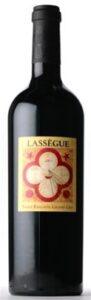
Chateau Vignot Saint-Emilion Grand Cru Bordeaux wine bottleOne of my great weaknesses when it comes to wine is Bordeaux (when was the last time you heard a wine geek like me admit he didn’t know something about wine?). There seem to be so many producers of Bordeaux, with prices starting around $6.99 and going well past $699. And forget the whole Bordeaux “futures” market — I just sit back and listen to people talk about the cases they’ve “reserved”. Me, when I spend money on wine, I want it NOW.

Anyway, I know a “little bit” about Bordeaux, which I’ll share with you. I know the wine comes from France, from the region of Bordeaux, and that the wines are often, but don’t have to be, blends (the primary grapes are Cabernet Sauvignon, Merlot, and Cabernet Franc). Generally speaking, you get what you pay for, which is where things get cloudy. If you have big bucks, then Bordeaux is easy — you go after a “First Growth”, “Second Growth”, and so on, through “Fifth Growth”. These are the Chateaus, or wine estates, that were named in something called the “1855 Classification” — so named because all these estates were “classified” as producing superior red wine way back in the year 1855.

However, if you’re like me and not the beneficiary of a wealthy trust fund, then finding an affordable Bordeaux can be sketchy. Luckily there are “lesser” classifications within the region to help steer you to a nice bottle: Cru Bourgeois, Premier Grand Cru, and Grand Cru. If you see these words on a label, chances are good that the wine inside will be of good quality. Whether you like it or not, however, is another story.

But wait, it’s actually not that simple. There’s an area in Bordeaux called Saint-Emilion which subscribes to a completely different set of rules. And unfortunately, it gets more complicated — partially because the process by which wines are classified in Saint-Emilion is under controversy. You can, however, count on a label that says “Grand Cru Classe” (and you’ll pay for it). If you find you like Bordeaux wines, though, it’s worth doing research on — and tasting through — the wines of Saint-Emilion.

There are very fat books dedicated to Bordeaux, and we can’t even scratch the surface of the region and its wines here. That said, very generally speaking, the wines from the Medoc, Haut-Medoc, and Graves (pronounced “graav”) will be dominated by Cabernet Sauvignon. If you see Saint-Emilion or Pomerol on the label, the wine most likely will be based on Merlot and or Cabernet Franc. Armed with this information, it may be a bit easier for you to start exploring wines from the Bordeaux region.

Today we review a Bordeaux from Saint-Emilion, and it’s “only” a Grand Cru, as opposed to a Grand Cru Classe. But you wouldn’t need me to tell you how great a Grand Cru Classe is, so I’ve picked one of the diamonds out of the haystack of Grand Crus in Saint-Emilion — one with the potential to add “Classe” to its label in the near future, in fact.

This wine is made at Chateau Lassegue by superstar winemaker / vigneron Pierre Seillan (who is also the genius behind Verite, Tenuta di Arceno, and other boutique wineries under the Jackson Estates umbrella).

Tasting Notes: Chateau Vignot Saint-Émilion

Deep, dense, purplish and magenta color suggests that it is still young. Forward nose of rich, ripe, complex, yummy smelling red and black berry fruits: mulberry, boysenberry, raspberry, and currant, along with mild tobacco, earth, and a hint of tar. Palate is equally complex, with flavors of dry blackberry, black raspberry, tobacco, an earthy herbal component, and a touch of chocolate licorice. Silky smooth texture – almost creamy. Tannins are firm but not overwhelming. Acidity is medium and in good supply for food matching. A bit too dry to drink alone, enjoy this with a piece of cheese to take the edge off, or grill a good steak. It’s in its youth, and will improve with some time in the cellar. Polished.

At about $35, it’s pricier than most wines reviewed here. However, I can tell you that you don’t have to be worried about spending that much for Chateau Vignot — in this case, you get what you pay for, and what you get is a high quality wine.

a-10 t-8 b-9 fc-8 v-7 ~ 92 Points

Winery: Chateau Lassegue

Find this wine at a retailer near you through Wine-Searcher, Vinquire, or WineZap

Merryvale Cabernet Vineyard X

Merryvale Cabernet Sauvignon Beckstoffer Vineyards Vineyard X Oakville

Merryvale Beckstoffer Vineyards Cabernet Sauvignon Oakville Vineyard X wine bottleNow we’re getting into the serious Cabernet Sauvignons.

Merryvale is one of my favorite California wineries, based on its consistently good quality, well-valued Starmont line. Because their “entry level” bottlings are enjoyable, it would stand to reason that their high-end wines would be even better. Merryvale’s Cabernet Sauvignon Beckstoffer Vineyards “Vineyard X” Oakville proves the point.

It’s called “Beckstoffer” because the grapes come from Andy Beckstoffer’s vineyards on the “Oakville Bench” in Napa Valley — this collaboration has been going on since 1992, and this particular wine has only been made five times. Only 1500 cases were made, with the grapes coming from three different “blocks” of vineyard (these are parts of a vineyard that have been specifically identified and cared for, for one reason or another; in short, it means the vines are of high quality, in a fantastic location, and old). After fermentation, the wine spent 18 months in French oak barrels (66% of them new) and was bottled unfiltered.

The nose has typical Cabernet aromas – black fruits, leather, earth, tar, black pepper – as well as a good dose of black licorice and some spice. In the mouth it is full, fruit-forward, and borderline jammy. Flavors are complex and delicious, showing black raspberry, black currant, cassis, blueberry, boysenberry, earth, coffee, tar, tobacco, pepper, and slight twinges of spice and a vegetal component. Texture is smooth, almost creamy. Acidity is at a good level for food and a fine foil for the big fruit. Tannins are ripe, and of medium intensity. This wine was a bit softer than I expected; I was expecting a huge, bold, tannic monster. Instead, I was pleasantly surprised to find this very drinkable, and immensely enjoyable. A tasty, polished, classy wine that is best enjoyed with a cheese plate, steaks, beef roasts, beef stew – anything with beef, in fact. At around 75 bucks, this ain’t cheap … but if you can afford it, it’s worth the dough.

a-9 t-10 b-9 fc-8 v-7 ~ 93 Points

Winery: Merryvale

Find this wine at a local retailer using Wine-Searcher or Vinquire

Red Wine Review: Mt. Veeder Cabernet

Mount Veeder Cabernet Sauvignon 2003

Mount Veeder Napa Valley Cabernet Sauvignon wine bottleAs mentioned in the last post, I’ve been on a Cabernet binge.

Mount Veeder is both a winery and an appellation — it is an official AVA within Napa Valley, consisting of about 25 square miles along a steep mountainside in the Mayacamas Mountains. The area is rich with volcanic soil and tends to produce powerful, long-lived wines.

Mount Veeder, the estate and winery, has been around since the 1960s, and released its first bottling in 1973. Owners Michael and Arlene Bernstein were the first vintners in Napa Valley to successfully grow all five traditional Bordeaux grapes (Cabernet Sauvignon, Merlot, Malbec, Cabernet Franc, and Petit Verdot) on one property.

The nose is slightly closed, but still giving good aromas of black fruits, eucalyptus, and some earth. On the palate, the wine is surprisingly open upfront, giving a mildly jammy black raspberry flavor. From there, though, this wine gets very serious, as a mad rush of complex flavors, good acidity, and ripe, firm tannins enter the picture. Wild berry fruit, black fruits, some tar, leather, tobacco, earth, and a touch of spice fight for attention in your mouth, and linger through a long, pleasing finish. A lot of attitude here, and gobs of concentrated fruit. Tannins are fairly aggressive, begging for protein. Match it with ribeye steak, strong cheeses.

a-8 t-10 b-9 fc-7 v-7 ~ 91 Points

Winery: Mount Veeder

Find this wine at a local retailer through Wine-Searcher, WineZap, or Vinquire

Red Wine Review: Argiano NC

Argiano NC (Non Confiditur) 2004

Argiano NC Non Confuditur Tuscan wine bottleFor those of you who wasted away your childhood watching Saturday morning cartoons such as Fat Albert and the Cosby Kids may remember “NC” being the abbreviation for “no class” — which the character Russell invariably used to insult Rudy.

However, this wine has plenty of class, and in fact the “NC” stands for “Non Confunditur”, a latin term which the Argiano family uses as their motto. Unfortunately, I have no idea what the term means because instead of taking latin as a kid I wasted away my time watching cartoons. Anyway …

This is a Tuscan blend of 40% Cabernet Sauvignon, 20% Merlot, 20% Sangiovese, and 20% Syrah – all from vineyards in the Montalcino district. It’s an IGT, and could be considered a “baby Super Tuscan”. All those great grapes put together, spending a full year in oak barrels, and then another four months in bottle before release, and yet it still retails for under twenty bucks. Amazing.

The nose is deep, rich with aromas of leather saddle, black fruit, tobacco, earth, tar, peppermint, and something else green or herbal — eucalyptus? Sage? Bay leaf? I’m not sure, I really need to get better at this. The palate has similar flavors, dominated by sweet black cassis fruit, sweet tobacco, a touch of anise and red licorice, and some mocha / chocolate hints. Acidity is low, tannins are medium and firm. The texture is very smooth. There’s a bit of hotness that appears momentarily but fades away by the finish, which has good fruit (black raspberry, cassis, black licorice, tar, tobacco) and is fairly well balanced. The acidity isn’t high enough to match with tomato sauce, so try it instead with hard and soft cheeses, grilled meats, lamb chops.

This is a wine that drinks like a big boy, but not priced like one. A good value.

a-8 t-8 b-8 fc-7 v-8 ~ 89 Points

Importer: Vias

Find this wine at a local retailer through Wine-Searcher or Vinquire

Wine Review: Masi Amarone

Masi Costasera Amarone 2001

Masi Costasera Amarone wine bottleAmarone is a big, fairly expensive, red wine from Italy that matches with a fairly small variety of foods. Although, if braised beef cheeks, lamb steaks, venison stew, or similarly gamey dishes are frequent in your home, you may disagree. Since I almost always drink wine with food as a rule, and I have neither the time nor the stomach to braise beef cheeks, Amarone has a hard time breaking into my routine.

Still, there are times when Amarone is perfect — most often, in my case, as an after-dinner drinker with a chunk of cheese (aged Parmegiano-Reggiano is a good choice). And once a bottle is started, it’s hard not to finish; Amarone can be a stunning, intriguing, highly complex, and seductive wine to contemplate over.

Tasting Notes: Masi Amarone “Costasera”

Nose is still a bit closed, but deep down are some aromas of bitter earth, tobacco, distinctly herbal spices (sage, thyme, bay leaf, maybe the slightest hint of rosemary), ash, and some black fruits – licorice, prune, cassis. On the palate the texture is smooth, the flavors are sweet prune, cassis, black licorice, mulberry, black raspberry. Tannins are ripe and surprisingly tame for Amarone, but still bigger than most red wines; I’d call the level medium to medium high. Acidity is medium. Another surprise is the alcohol, which is lower than expected. The finish could be longer, but is in better balance than similar wines. Flavors in the finish include blackberry, herbs, tobacco, and tar. Do not make the mistake of pouring this wine directly from bottle to glass – it needs to breathe, and it needs some time. Pour it into a decanter, then pour it again into another decanter, and let it sit for at least 10-15 minutes before tasting — otherwise it may seem harsh instead of polished, and you’ll likely miss out on the complexity and subtle nuances that make this wine special. It will probably be a nice match for lamb, gamey dishes, roast pork loin, or a hunk of hard cheese. A fine, polished wine to open up next to the fire on a cold winter night.

a-8 t-8 b-9 fc-7 v-9 ~ 91 Points

Importer: Remy USA

Find this wine at a local retailer through Vinquire, Wine-Searcher, or WineZap

Chardonnay Review: Franciscan Oakville

Franciscan Oakville Chardonnay Cuvee Sauvage 2005

Franciscan Oakville Chardonnay Cuvee Sauvage wine bottleGenerally speaking, I’m against the majority of California Chardonnay on the market — but not against ALL California Chards.

What bugs me is the proliferation of formulaic, oak-driven “soda-pop” Chards that taste more like Sugar Smacks than fermented grapes. The bulk of these disasters in a bottle are in the under $20 segment, but there are also a number of higher-priced Chardonnays that are flawed by too much wood.

The problems of over-oaked are 1. the wood overpowers the fruit, so you don’t taste the Chardonnay; and 2. oak doesn’t match very well with most foods. However, that doesn’t mean oak is always bad — it merely needs to be used judiciously. The key is the fruit; if the grapes produce a very rich, ripe flavor, then it can stand up to a good dose of oak and create a harmonious, delicious sipper.

One such example of a California Chardonnay with a wonderful balance of fruit and oak is Franciscan Oakville Chardonnay Cuvee Sauvage.

Tasting Notes: Cuvee Sauvage

Wide open, delicious smelling aroma of ripe pear, peach, banana, spicy oak, vanilla, and a hint of warm apple pie. In the mouth it has a silky, creamy, buttery texture, carrying lots of succulent ripe pear, baked apple, vanilla, honey, and oak. The oak actually runs a touch bitter, giving off some tannins, in the finish. Acidity is mild to nearly medium. On the fat and oaky side, but surprisingly not overwhelming and also not too hot in the finish. It’s almost on the sweet side, making it more of a fireplace wine than something you’d match successfully with a bevy of foods. However, it will match adequately with roasted rosemary chicken, dishes drenched with garlic, and maybe hot and spicy cuisine, where the sweetness acts as a foil against the heat. Long, elegant finish. A rich, delicious, and succulent wine to enjoy by the fire.

a-10 t-10 b-7 fc-7 v-7 ~ 91 Points

Find this wine at a local retailer using Wine-Searcher, Vinquire, or WineZap

Merlot Review: Merryvale Reserve

Merryvale Reserve Merlot 2003 Napa Valley

Merryvale Merlot Reserve wine bottleDid you watch Sideways? And did you buy into the whole idea that Merlot is for “pedestrian” wine drinkers, and otherwise not worthy of your attention?

OK, then, move on … nothing to see here. (And more Merlot for me!)

For those who remain, following is my opinion of Merryvale Merlot Reserve 2003. Merryvale is a brand I’ve found to have a consistently strong price:value ratio — and once in a while deliver a knockout. This particular bottle is excellent, made from 85% Merlot, 12% Cabernet Sauvignon, and 3% Petit Verdot grapes from four of Merryvale’s vineyards in Napa Valley.

Tasting Notes

Nose is fairly open, showing ripe, deep aromas of black berry fruit, sweet and bitter earth, mild hint of licorice. On the palate the texture is as smooth as glass, carrying ripe, luscious red and black raspberry, blueberry, a touch of mulberry, hint of vanilla, some sweet earth, black pepper, and the slightest bit of green bell pepper. In other words, very complex, and enjoyable. Both tannins and acidity are medium to medium high, and hold the fruit together well. Some alcohol is apparent on the finish, heating things up a bit, but not so much that it is overbearing. The finish is lengthy and enjoyable, with plenty of fruit giving way to ripe tannins after around a minute. Overall this is an excellent example of a ripe Napa Valley Merlot fruit, bordering on a jammy fruit bomb – but staying just below that to be a polished, well balanced wine for enjoyment on its own or with food. Best with steak, roasted or grilled game, and fine cheeses. A kick ass wine that is hitting on all cylinders right now. Note that this is not the “Starmont” line – which is also a good value – but rather a “Reserve”, which is $10-15 more and more difficult to find, but well worth the search. Even at $39 this is a good value, and a fantastic choice for steak.

a-8 t-9 b-10 fc-9 v-8 ~ 94 Points

Merryvale Vineyards Website

Find this wine at a local retailer through WineZap or Wine-Searcher